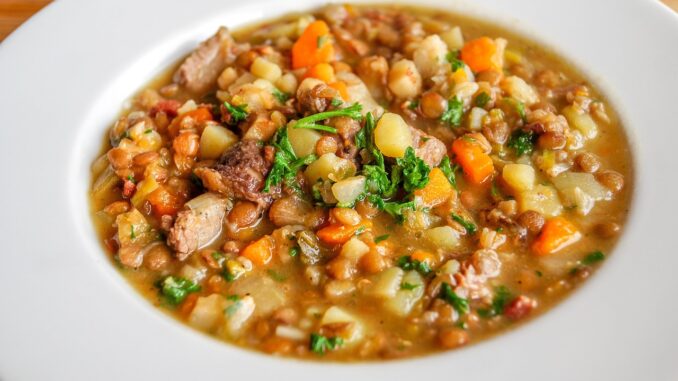
The keto soup diet is a fascinating spin-off of the traditional ketogenic diet, designed to help you shed some pounds while savoring warm, delicious bowls of soup. It focuses on keeping carbs low and fats high, just like its keto parent. What’s unique here is the central role of soup, which not only satisfies the soul but could be a nifty strategy for losing weight.
Now, why soup you ask? This approach isn’t just about throwing in your favorite veggies and meats into a pot. It’s about creating a meal that’s filling, often low in calories, and incredibly flavorful. Soups can keep you hydrated and provide a variety of nutrients if prepared right. On top of that, a good hot soup has the potential to curb your appetite better than some other forms of meals. That’s a win when you’re working towards a slimmer waistline!
The basics? Pretty straightforward. Stick to low-carb, high-fat foods. Think along the lines of a broth mixed with healthy fats like avocado or olive oil, and quality proteins such as chicken or beef. The idea is to eat soups several times a day for a quick slimming effect. It’s like a detox with sustenance.
The keto soup diet is for those who’ve perhaps tried other low-carb plans and are looking for a fresher, more satisfying method. People who fancy soups and want a short-term, simple fix to jumpstart their weight-loss journey might find this method exciting. But remember, it’s not just about losing weight—it’s about cherishing a warm meal that supports your health goals, one bowl at a time.
Weight Loss with the Keto Soup Diet: Science and Evidence
The question on everyone’s mind is how the keto soup diet actually helps with weight loss. Let’s unpack this. The diet works primarily by inducing ketosis, a metabolic state where your body starts burning fat for fuel instead of carbohydrates. When you stick to low-carb soups, you’re essentially nudging your body to burn its fat stores. Soup’s filling nature keeps hunger pangs at bay, helping manage calorie intake without the feeling of deprivation.
There’s science to back the power of ketogenic diets in weight loss. Numerous studies highlight how a high-fat, low-carb diet can effectively reduce body weight. What soups do in this mix is add an extra layer of hydration and satiety that solid foods alone might not achieve. When your meals mostly consist of liquid nourishment, you might notice your cravings diminish, which is crucial on a weight loss journey.
What’s fascinating is the thermogenic effect of soup-based diets. Soups are generally warm, and consuming warm liquid can aid in increasing metabolism slightly, which can contribute to weight loss. Plus, the keto soups are loaded with nutrients that ensure energy levels stay high while your body works its magic in ketosis.
Stories from individuals who’ve embarked on this diet often share promising results. People have reported a boosted energy level and visible weight loss within weeks, which feels incredibly motivating. But remember, everyone is unique, so it’s about finding what rhythm works for you and your body.
So, what’s a realistic expectation? Don’t eye overnight miracles, instead aim for steady, healthy reductions. The keto soup diet can propel you towards your weight loss goals by offering nourishment that’s both comforting and conducive to burning fat.
Crafting Your Perfect Keto Soup: Ingredients and Recipes
Creating delicious and nutritious keto soups starts with a solid lineup of ingredients. The beauty of keto soups is their simplicity balanced with endless possibilities. The key is sticking to low-carb, high-fat components. Essential items? Think bone broth, leafy greens like spinach or kale, and healthy fats such as coconut milk or olive oil. Avocado is also a game-changer, providing that creamy texture without the carbs.
Proteins are your next go-to. Chicken, beef, or even seafood can add a punch of flavor and essential nutrients. The idea is to keep things balanced and flavorful. Spices and seasonings are vital because nobody wants bland soup. Garlic, ginger, turmeric, and herbs like basil or cilantro can turn your pot into a taste sensation without adding carbs.
Got your ingredients sorted? Now it’s about execution. Start with a reliable bone broth base. It’s nourishing and packed with collagen, great for skin and joints. Layer in your veggies, mindful of their carb content. A trick is letting the soup simmer, allowing flavors to marry beautifully. It’s also a fantastic way to meal prep. You can batch-make soups, store them in portions, and have quick meals ready. Saves time and keeps you on track with your diet.
There’s some fun in experimenting with recipes to keep things interesting. Ever tried a creamy zucchini and avocado soup? Or perhaps a hearty chicken and cauliflower soup with a dash of coconut cream? The possibilities are tasty and endless. Just remember to focus on the elements that make the keto diet work for you.
Avoid common pitfalls, like sneaky carb-rich vegetables or overusing high-sodium broths. It’s about balance. When in doubt, lean towards leafy greens and healthy fats. Your body—and your taste buds—will thank you!
Potential Cons and Considerations: Is the Keto Soup Diet Right for You?
While the keto soup diet offers a lot of promise, it’s important to weigh the potential downsides before diving in. Some folks might experience what’s known as the “keto flu”—a short-term side effect that includes fatigue, headaches, or nausea as your body adjusts to fat burning. It’s like your body is detoxing from carbs. Keeping hydrated with electrolyte-rich soups can help mitigate these symptoms.
Nutrient deficiencies are another consideration, especially if the diet isn’t well-balanced. While soups can be nutrient-rich, relying solely on them might lead to missing out on key vitamins and minerals if not planned carefully. It’s crucial to vary your ingredients and consider supplementation if needed to meet nutritional needs.
Certain individuals, such as those with pre-existing health conditions like diabetes or kidney issues, should tread carefully. High-fat diets can impact insulin sensitivity and kidney function. If you’re in this category, it’s best to consult with a healthcare professional before starting any keto-based plan. They can help tailor the diet to your needs or suggest alternative approaches.
Maintaining balance with exercise and lifestyle habits is also key. The keto soup diet shouldn’t be seen as a quick fix but rather a component of a holistic approach to health. Pairing it with regular physical activity can enhance results and support long-term weight management.
Before embarking on the keto soup diet, it’s wise to have a conversation with your doctor or a dietitian. They can offer insights tailored to your health profile, ensuring that you can enjoy the benefits of this diet without unwanted surprises.
After achieving your weight loss goals, it’ll be important to gradually re-introduce other healthy foods to maintain your results. Yap, this ensures your body continues to thrive with a balanced approach to eating.
Leave a Reply