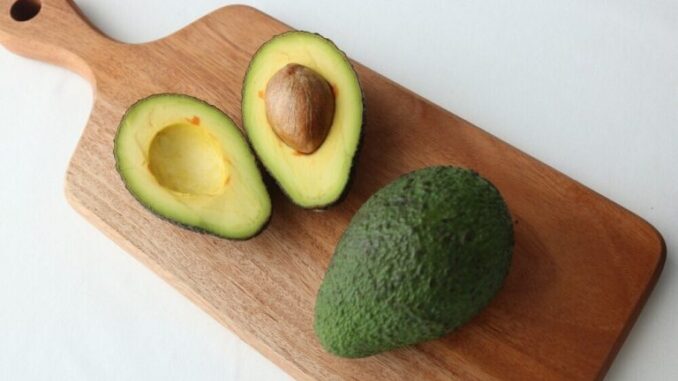
Fats often get a bad rap, but they’re a vital part of a balanced diet. Let’s break it down a bit. There are different types of fats, and not all are created equal. The ones to avoid are trans fats and some saturated fats, which can raise your bad cholesterol and mess with your heart health. But then, there are the good guys: monounsaturated and polyunsaturated fats, along with essentials like omega-3s and omega-6s.
Healthy fats are champs when it comes to keeping your body running smoothly. They store energy, help absorb vitamins, and are crucial for brain health and hormone regulation. If you’re ditching fats entirely, you’re also missing out on these critical benefits.
People often clutch to misconceptions like ‘all fats make you gain weight’ or ‘fat-free is always better,’ but that’s totally misleading. While overdoing fats can indeed lead to weight gain, eliminating them isn’t the fix either—it’s about balance. Healthy fats can help you feel fuller longer, so you’re less tempted to snack on unhealthy bites.
Knowing the types of fats and their benefits can turn your diet around and support better health across the board. Embrace healthy fats as your friends—they’re here to keep your body’s engine humming.
Top Sources of Healthy Fats to Include in Your Diet
Avocados have earned their superstar status for a reason. These green wonders pack a punch of monounsaturated fats, fiber, and essential nutrients like potassium and vitamin E. Whether you mash them into guac or slice them onto a salad, avocados are an easy and delicious way to boost your intake of healthy fats.
Nuts and seeds are little powerhouses of nutrition. Almonds, walnuts, flaxseeds, and chia seeds not only deliver healthy fats but also provide protein and fiber. They make for a great snack to curb those mid-afternoon cravings or can be sprinkled over your morning oats for an extra crunch.
Olive oil, a staple of the Mediterranean diet, is known for its heart-healthy benefits. Rich in monounsaturated fats and antioxidants, it can enhance the flavor of dishes while promoting cardiovascular wellness. Just a drizzle over salad or as a cooking base can make a big difference.
When it comes to omega-3 fatty acids, fatty fish like salmon, mackerel, and sardines are your go-to. Regularly eating these fish can support heart health, reduce inflammation, and aid brain function. If fresh fish isn’t your thing every day, fish oil supplements can fill the gap.
How Healthy Fats Contribute to Overall Well-being
Healthy fats play a big role in keeping your heart in top shape. They can lower bad cholesterol levels and support good cholesterol, reducing the risk of heart disease. It’s like giving your heart a little health boost every time you choose fats wisely.
Let’s talk about brain health. Healthy fats, like omega-3s, are key for maintaining a sharp mind and boosting cognitive function. They’re a building block of cell membranes and vital for brain development and performance. Keep your thinking cap on by including them in your meals.
Your skin benefits too. Radiant, smooth skin can often be linked to a diet rich in healthy fats. These fats help maintain skin elasticity and hydration, making you glow from the inside out. Say goodbye to dullness when you nourish your skin the right way!
Hormonal balance is another area where healthy fats make a significant impact. Fats are necessary for producing hormones, which regulate everything from metabolism to mood. Keeping your diet balanced with the right fats provides stability in your body’s hormonal functions.
Incorporating Healthy Fats: Practical Tips for Real Life
Opting for healthy fats doesn’t have to be tricky. You can make simple swaps in your kitchen to bring more good fats into your diet. Try replacing butter with olive oil when cooking, or pick avocados instead of mayo in your sandwiches. Little changes can have a big impact over time.
Thinking about meal planning? It’s a great strategy to stay on track with your fat intake. You can include dishes like grilled salmon with a side of roasted veggies drizzled with a bit of olive oil, or try a quinoa salad topped with avocado and sliced almonds.
When snack time hits, go for options rich in good fats. Consider a handful of nuts or seeds, or whip up some homemade hummus with a drizzle of olive oil. These snacks are not only satisfying, but they also help fuel your body with sustained energy.
Of course, portion control is key. Even with healthy fats, moderation matters. Try to keep your servings in check to avoid overconsumption. Balancing your intake is crucial to getting the benefits without the extra calories.
Before starting any weight loss, diet or fitness program, you should always consult with your doctor or health care provider first.
Leave a Reply