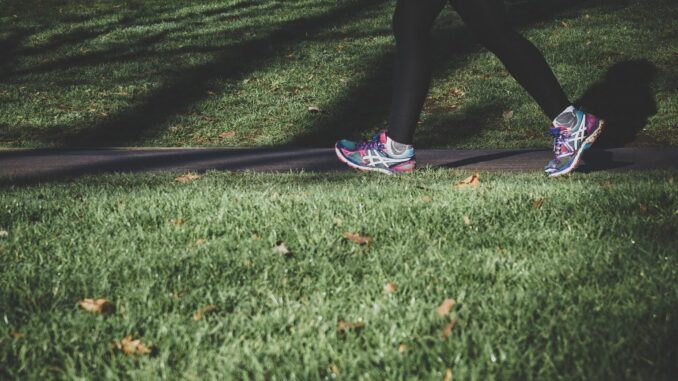
Walking to lose weight is often underestimated as a form of exercise, but it packs quite the punch. Especially for anyone looking to shed a few pounds. This low-impact activity doesn’t just get you moving; it can rev up your metabolism and aid weight loss without putting too much strain on your body. With all the benefits up for grabs, it’s worth understanding why this simple activity is an effective tool in your weight loss journey.
One big reason walking helps in weight loss is its ability to burn calories. It’s all about getting your heart rate up and maintaining that pace. Unlike high-intensity workouts that can be daunting for beginners, walking is approachable and easy to start. For those new to exercise, it provides a gentler introduction while still bringing noticeable results, like improved stamina and less body fat.
Many wonder how walking compares with other exercises, like running or cycling. The truth is, while the calorie burn per minute might be less, walking is sustainable for longer periods. Plus, it’s something you can do almost anywhere, any time, without special equipment or training. Just a pair of comfy shoes, and you’re off!
Beginners often ask how much they should walk to see weight loss results. A good rule of thumb is starting with 30 minutes a day, which can be broken up into shorter intervals if needed. Gradually increasing this to at least 60 minutes a day can significantly boost those weight-loss results. Remember, consistency is key, so finding a routine that meshes well with your daily life is crucial.
Crafting an Effective Walking Routine
Setting up a walking routine that complements your lifestyle is key to reaping the benefits of weight loss. It’s all about turning ambition into action by creating a plan that’s easy to stick to.
Begin by setting realistic goals. Start with short-term targets like walking a certain number of days per week or reaching a specific number of steps. Once you’ve conquered these, it’s easier to push further.
Scheduling your walks is equally important. Slot them into your day-to-day life at a time that works best for you. Whether it’s a quick morning energy boost or a calming evening stroll, having a set time helps cultivate a lasting habit.
Adding variety can be a game-changer. Exploring different routes or introducing new challenges keeps things interesting and can help maintain motivation. You could choose scenic routes, walk with friends, or tune into your favorite podcast.
Tracking your progress is vital. It keeps you accountable and allows you to see how far you’ve come. Jotting down daily workouts or using fitness apps can be effective ways to log achievements and identify patterns, revealing opportunities for improvement.
Maximizing Your Walking Workout
Once you’re settled into a routine, it’s time to kick up the gear and maximize those workouts. Small adjustments can really boost that calorie burn.
First off, consider the pace. Walking a bit faster not only elevates your heart rate but also torches more calories in the same amount of time. You don’t need to sprint—just aim for a brisk pace that gets your heart pumping more than a leisurely stroll.
Incorporating intervals can make walks more effective. Alternate between periods of fast walking and slower, recovery-paced walking. This on-and-off intensity routine can enhance calorie burning and muscle engagement.
Making use of hills or stairs adds another layer of challenge. Elevation changes increase intensity and help engage different muscle groups, like your glutes and calves, providing a more rounded workout.
Technology can be a fun motivator too. There are apps and devices designed to encourage aspects like pacing and interval timing, giving you that little extra push when needed
Diet and Lifestyle Changes to Complement Walking
While walking is a fantastic start, pairing it with smart eating habits is what really propels weight loss forward. Focusing on a balanced diet filled with fresh veggies, lean proteins, and whole grains supports not just your walk, but overall health.
Portion control is another ally on this journey. Being mindful of serving sizes and avoiding the temptation of second helpings can help manage calorie intake without feeling deprived.
Don’t underestimate the power of hydration. Staying well-hydrated can influence how effective your workouts are, and drinking water before meals might help in preventing overeating.
Look at the bigger picture and think about other lifestyle tweaks. Quality sleep, reduced stress levels, and regular activity all play roles in supporting your body’s weight-loss efforts.
These changes, coupled with your walking routine, create a comprehensive approach to getting the results you’re after.
Before starting any weight loss, diet or fitness program, you should always consult with your doctor or health care provider first.
Leave a Reply