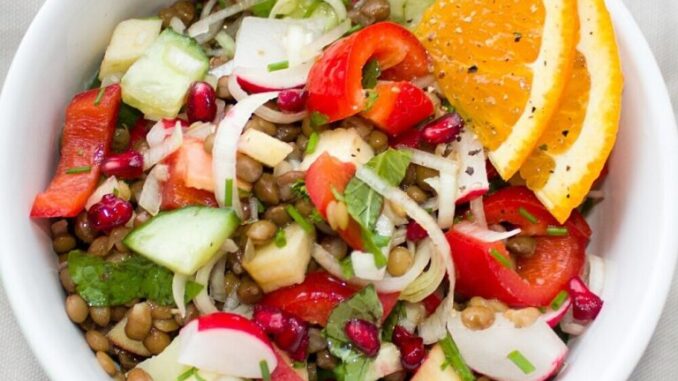
Plant-based diets are taking the world by storm. They’re not just a trend but a lifestyle choice with deep roots and wide appeal. So what exactly is a plant-based diet? It prioritizes foods that come from plants like vegetables, fruits, nuts, seeds, oils, whole grains, legumes, and beans. But don’t get it twisted; plant-based doesn’t always mean vegan or vegetarian. It’s more about focusing heavily on plants and less on meat and animal products.
If you’re wondering how this shift came about, it’s got a pretty rich history. Various cultures have thrived on plant-based diets for centuries, thanks to both necessity and tradition. From the Mediterranean diet to the Japanese cuisine, many cultures cherished plants as essential parts of healthy living long before it got all trendy.
Lately, though, more people are jumping on the plant-based bandwagon for reasons beyond heritage. The sheer volume of data tossing around about the benefits of eating more plants has pushed people to reconsider their meat-heavy habits. Add in concerns about the environment and sustainability, and it’s no wonder plant-based eating is catching on everywhere. Studies show that diets richer in plant foods tend to have lower environmental impacts and can be more sustainable in the long run.
>>>Check out The Plant Based Cookbook<<<
Tying this rise to the broader health movements is a no-brainer. Being healthy and kind to the planet go hand in hand. Social media, documentaries, and advocates have also played a huge role, turning plant-based diets from niche to mainstream. The combination of wanting personal health benefits with the appeal of being environmentally friendly creates a powerful motivator for change. Plus, with constant evolutions in yummy plant-based options, you’re missing nothing by changing things up.
Health Benefits of Adopting a Plant-Based Diet
Chowing down on more plants does wonders for your body. Plant-based diets pack a punch of nutrients everyone needs, like fiber, vitamins, and minerals, all while being low in saturated fats and cholesterol. Fruits and veggies are fiber powerhouses which help keep everything moving smoothly in your digestive system.
Here’s the deal: all those plants can seriously help with some of the major health concerns folks worry about. Studies have shown that folks on a plant-based diet can lower their risk of heart disease by reducing blood pressure and cholesterol levels. Eating more greens and grains has also been linked to better management of diabetes and even some types of cancer.
If losing weight is on your agenda, plant-based eating might be your new best friend. It’s generally low in calories and fats, so you’ll likely find it easier to manage a healthy weight while still feeling full and satisfied. Plus, plant foods can give you a consistent energy boost without the afternoon slump.
The science backs it up. Tons of peer-reviewed studies sing the praises of embracing more plants in your diet. According to experts, diversifying your plate with all sorts of colorful fruits and veggies is key to reaping these health perks. It doesn’t mean you have to go full vegan to see benefits—just making plants the center of your meals can help.
Let’s remember it’s not all about restriction; it’s about gaining a variety of nutrients that improve your day-to-day life. This isn’t just about living longer, but living better, with more energy and fewer health hassles in the long run.
Transitioning to a Plant-Based Lifestyle
Switching to a plant-based lifestyle might seem like a big leap, but trust me, it gets easier with a little planning and know-how. It’s all about easing yourself into it, so you don’t feel overwhelmed. Start by gradually swapping meat-heavy meals for plant-based versions a few times a week. Look for meals that can effortlessly turn plant-based with a few changes, like swapping out the beef in your tacos for black beans or tempeh.
When you’re grocery shopping, the produce aisle should become your new best friend. Focus on fresh, seasonal fruits and veggies, whole grains, and legumes. It’s easier to stick to a plant-based lifestyle when you’ve got a rainbow of colors on your plate. Explore different markets and local farmer’s markets if you can—they often have fresher and sometimes cheaper options.
>>>250 Vegan Recipes<<<
Meal planning is a game-changer here. Spend a little time deciding on your weekly meals, and you’ll find it easier to stick to your goals. There are endless recipes out there that are plant-based and delicious. Apps and cookbooks can be huge helpers when you’re trying to figure out what to cook. Think ahead about your meals to avoid resorting to quick, less-healthy options. It’s about building a routine that works with your lifestyle.
Social settings can be tricky at first, but don’t let that put you off. Try suggesting restaurants with good plant-based options when going out with friends or offering to bring a veggie-forward dish to gatherings. It might surprise you how many others appreciate having those options, too! Communicating your choices to friends and family can help them understand and maybe even support your efforts by joining in.
Addressing Myths and Challenges of Plant-Based Eating
Plant-based eating seems to come hand in hand with some misconceptions and challenges that can be a bit daunting at first glance. The big one? Protein. People often think you’ll miss out on enough protein by focusing on plants, but that’s not the case. There are loads of plant-based sources like beans, lentils, tofu, and quinoa that are packed with protein. Combining different sources can help you hit your protein needs easily.
As you make the shift, it’s normal to worry about getting all the nutrients you need. Some nutrients, like B12, iron, and omega-3s, can be less abundant in plant-based diets, but simple strategies like choosing fortified foods or considering supplements can bridge those gaps effectively. Talk with a healthcare professional to tailor nutrient intake to your needs if necessary.
Let’s chat about the money side. While some might think plant-based foods cost more, the reality is that it depends on what and how you buy. Whole foods like grains, beans, and seasonal veggies aren’t usually expensive and can form the base of most of your meals. Being conscious about where you shop and taking advantage of bulk buying can make it even more affordable.
Social and environmental hurdles might pop up, too. Whether it’s explaining your choices at family dinners or dealing with limited options while eating out, these are real concerns. They can be tackled by being prepared or even finding communities online for tips and support. You’re not alone in navigating this; many others have faced and solved such issues.
The main thing is, be patient with yourself and enjoy the journey. Every little change is a step forward, and addressing these myths and challenges head-on makes the transition smoother and more rewarding.
Before starting any weight loss, diet or fitness program, you should always consult with your doctor or health care provider first.
Leave a Reply